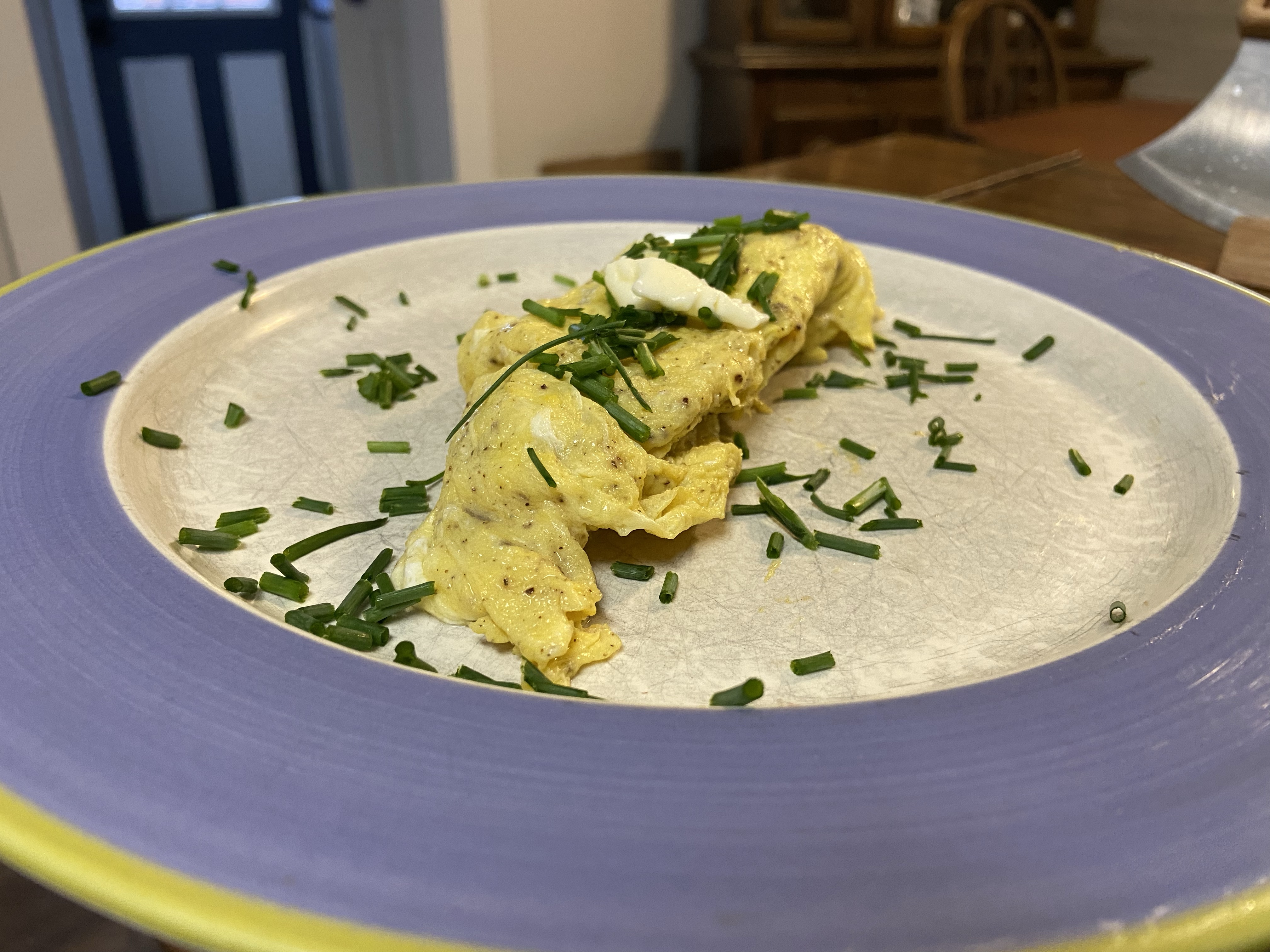
Omelettes—and I’m talking just plain omelets. I’m not making Denver omelets. You want that? Go to Shari’s or IHOP—Good ol’ fashioned plain omelettes are like Loki: they are deceptive. The tight little bundled appearance they have conveys a density that, in actuality, they lack.
Yet, despite that lack of density, they are exorbitantly rich.

And, start to finish, they only take about a minute (maybe a bit more if you do stuff it); if, and that’s a big “IF,” you do get them right on the first try, that is.
This was my 3rd omelet of the morning (and maybe I made a 4th as well, just to confirm I had the hang of it. Don’t judge).

Not so much because I love the taste (although they are delicious), but because I screwed up the first two—not that I’m claiming *this* is perfection… but I am pretty damn happy about it.
To start off, you want to use a 7-9” pan. Any bigger, or smaller, and it actually makes it more difficult; a smaller pan makes the omelette too thick, and a larger pan makes them too thin.
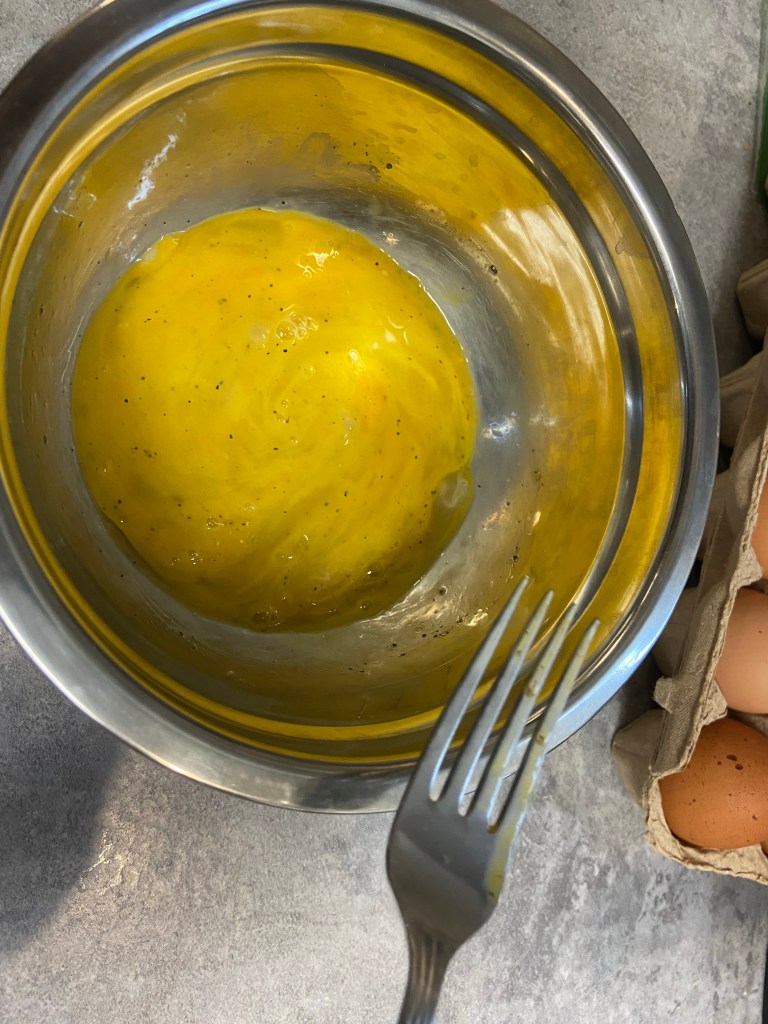
Crack two eggs into a mixing bowl, add a pinch of salt and pepper, and mix the eggs with a fork just until the whites and the yolk combine. Try not to over-beat them.
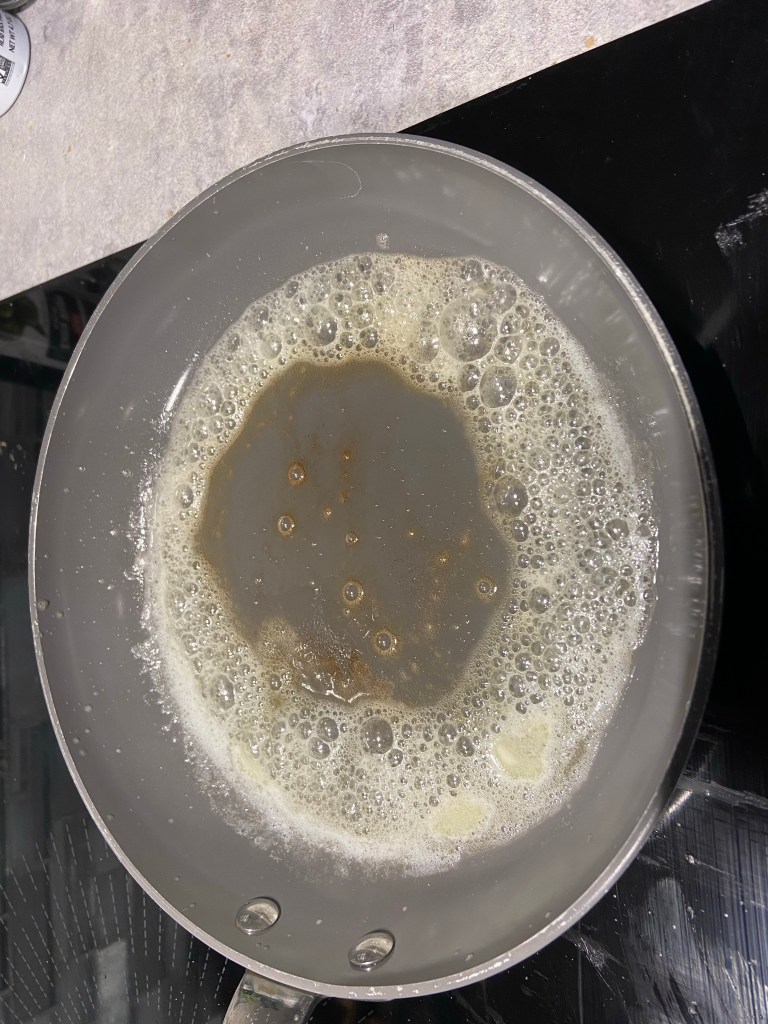
Turn your cooktop burner on high, and set your pan on it. Within a minute or so, it should be hot enough for you to add your 1 tablespoon of butter. Let the butter melt, and just before it starts to brown, add your egg mixture.
There are two keys to making a perfect omelet: heat, which everyone knows; and movement.
With movement, specifically, you want to swirl your pan—as it sits on the burner—in a clockwise or counterclockwise motion. This helps spread the eggs out across the pan. But the jerk is the real key.
By pushing the pan away and then jerking it back towards yourself, you’re better able to swaddle (so to speak) your eggs without the help of your fork. Trying to swaddle the eggs with your fork is likely to break your omelet, at which point, you’re better off turning them into scrambled eggs.
All of this movement combined also helps create little air pockets inside the omelette, which helps make them so much lighter than you might guess.
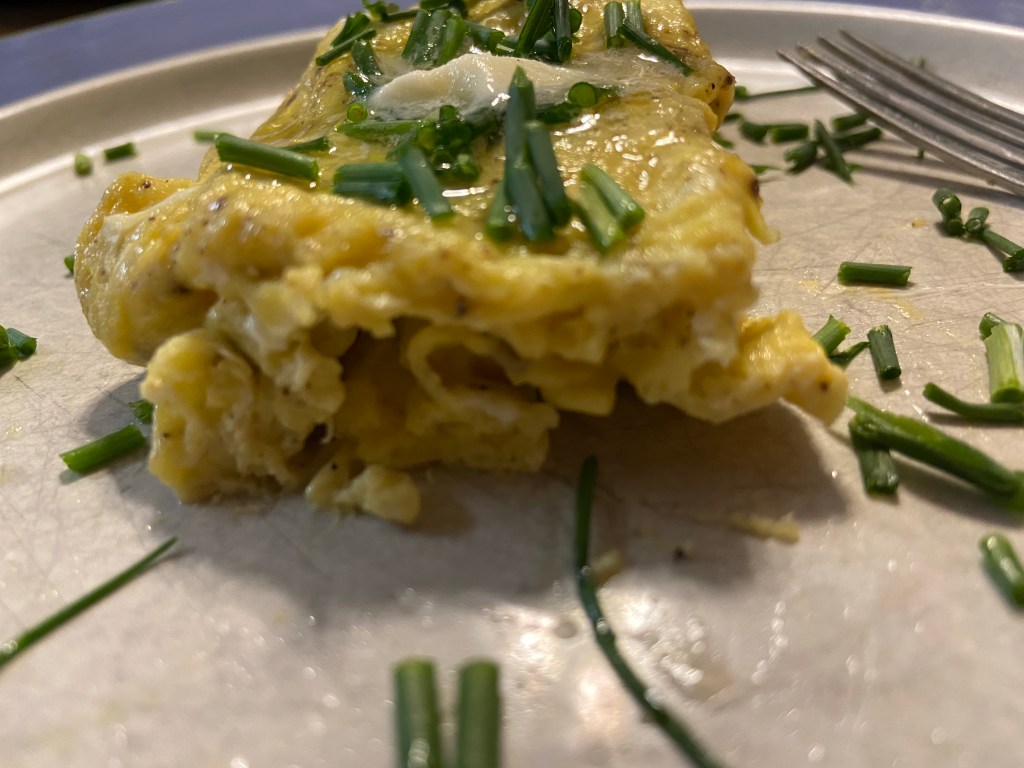
Once you’ve finished, there is a bit of a trick to getting the omelette plated; you want to keep your pan tilted at a 45-degree angle. As the omelette begins to slide off, pull the pan towards your body, which will cause the omelette to finish folding over on itself. Garnish with fresh chives or parsley, and add another little bit of butter to the top of your omelette.
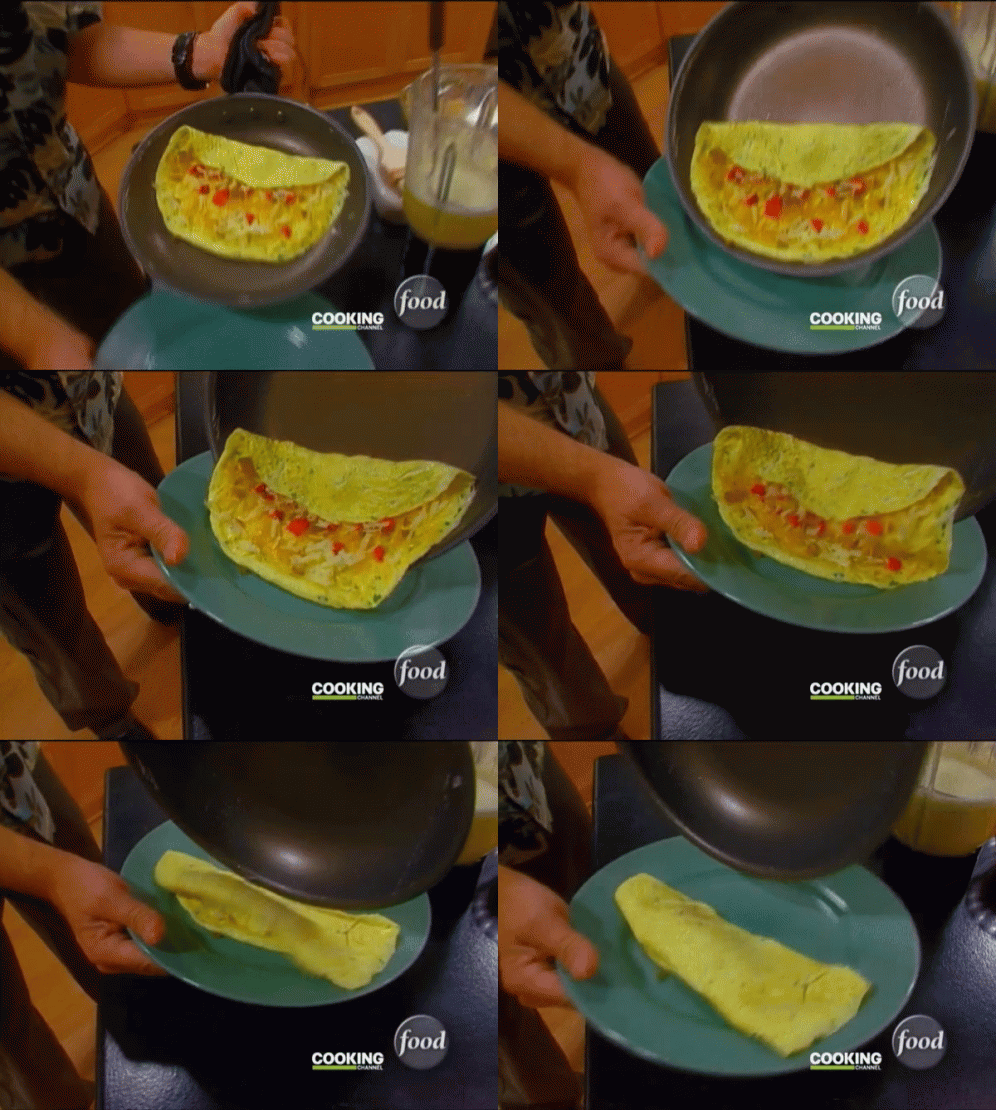
And that’s it. It literally took me longer to write this than it did to cook and eat my omelette(s. Again, don’t judge).
I hope this helps you as you try to master the art of omelette making. And don’t get discouraged if you overcook a few of them. Practice makes perfect, and what’s not perfect about eating some “Oops eggs,” amiright?
Thanks for reading along, and I look forward to updating y’all on my next cooking endeavor!
 The PNW Vegas Foodie